The National Science Foundation just named QuantumCT a recipient of a Regional Innovation Engines award. It came out of a field of 294 submissions. 15 finalists. 12 teams across 20 states received an award. It’s a significant result for the University of Connecticut, Yale University, and the coalition of partners that spent three years making the case.
Connecticut will receive $15M over two years, and is eligible for up to $160M over ten years.
I joined QuantumCT at the beginning as part of the UConn Team. The initiative was still finding its shape. The science is compelling. The researchers are world-class. Connecticut came into this with solid structural advantages: dense industry clusters in aerospace and defense, fintech and life sciences where quantum will have near-term commercial impact, and a corridor of research institutions with the thought leadership to match.
QuantumCT exists today as an independent 501(c)(3) nonprofit — the statewide coordinating body for quantum research, commercialization, and workforce development in Connecticut.
QuantumCT didn’t have to become that kind of organization. Governor Lamont and the Department of Economic and Community Development saw what the initiative could be and put the state’s institutional weight behind that vision. Without that commitment, QuantumCT would have remained what it started as: a joint grant initiative between two universities, without the independence or mandate to act as a true statewide force.
The decision to formalize it changed what was possible. We worked with legal counsel through the incorporation process, built out the hiring plan, and stood up the operational capacity that a new nonprofit requires so that it can receive and deploy state funding. None of it was glamorous work. All of it mattered.
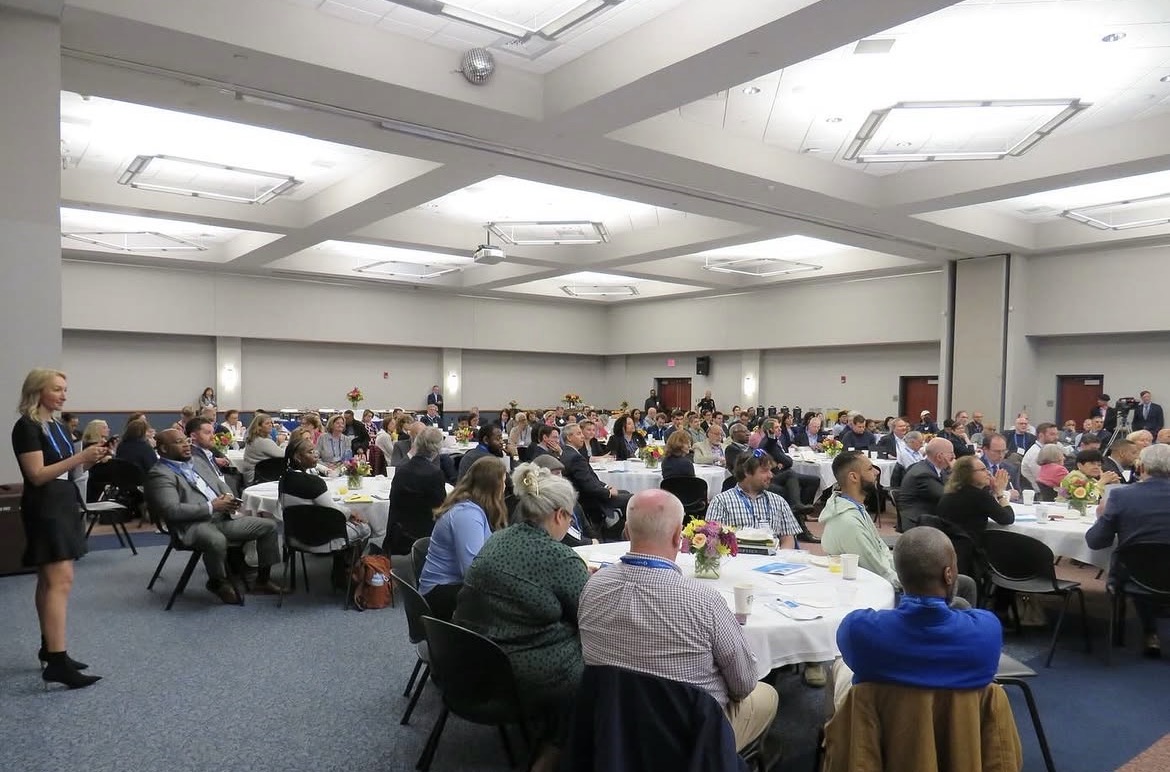
On the ecosystem side, that meant building and managing a network of 40+ organizations spanning government agencies, industry partners, entrepreneurs, and civic institutions — identifying where interests aligned and designing pathways for joint programming.
These things reinforce each other in ways that are difficult to separate. The funding work is more credible because the partnerships are real. The partnerships are more durable because the organization has standing.
The NSF’s Regional Innovation Engines program is deliberately structured to reward exactly this combination. It is more than a research grant or a science project. It is a bet on a region’s capacity to build a functioning innovation ecosystem — to demonstrate that the institutions, the industry relationships, the workforce infrastructure, and the organizational will are all in place.
I am so proud of this work — and to work alongside the dozens of people and organizations that showed up, stayed engaged, brought real resources to the table, and made the ecosystem actual rather than aspirational.
Helping shape the strategy around something so consequential, at the moment it’s still being built, is not something I take for granted. The opportunity doesn’t come to everyone. I’m grateful it came to me.