Don’t tell me this town ain’t got no heart / You just gotta poke around
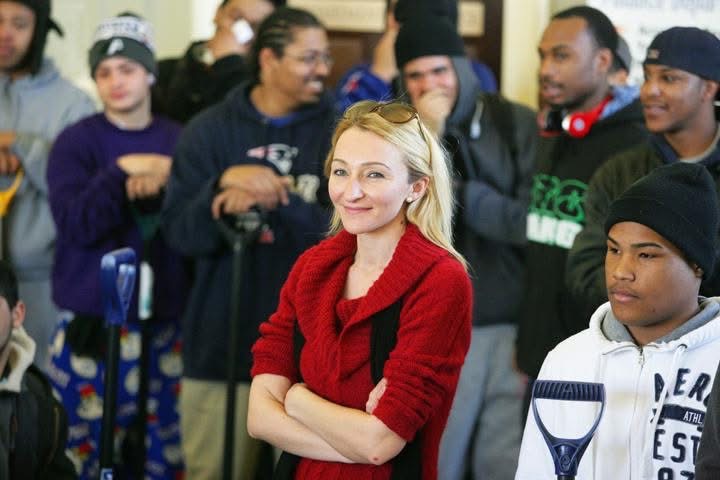
When Nor’easter Nemo buried the Northeast in February 2013, Waterbury Mayor Neil M. O’Leary put out a call. Schools were closed. Snow had piled two feet deep across the city. So he sent word through social media: show up to City Hall, bring a shovel, and we’ll pay you to help dig us out. He expected maybe a couple of dozen teenagers.
By the end of two days, nearly 500 members of what we called “The Snow Brigade” had cleared twelve schools, City Hall, and the library. They got paid. The city schools got shoveled. CNN covered it.
And for a city that had spent years showing up in the news for reasons nobody wanted, that meant something. We were proud of it.
I was working in the Mayor’s Office then. When the idea took shape, my job was to get the word out fast: social media posts, responses to the flood of questions coming in from residents and the media, coordination with the Police Activities League (PAL) and other City departments who helped manage the logistics on short notice. The PAL staff knew most of these kids. That mattered. It meant the operation had trust built in before anyone picked up a shovel.
Last week, Mayor Zohran Mamdani did something similar in New York City. The Blizzard of 2026 — the first true blizzard NYC had seen in a decade, nearly two feet of snow, wind gusts up to sixty miles per hour — hit the five boroughs hard. Mamdani deployed the city’s emergency snow shoveler program with real force: $30 an hour, walk-in registration at any DSNY garage, a direct social media push from the mayor himself. In the first 24 hours of the storm, 1,400 people registered. Overnight crews cleared more than 1,600 crosswalks, 419 fire hydrants, nearly 900 bus stops.
The internet, predictably, was delighted. Mamdani is a generational political talent — the kind who makes the thing he’s doing feel obvious, inevitable, like of course that’s how you respond to a crisis. Pay people. Ask them to show up. Trust that they will.
They will. We knew this in Waterbury in 2013.
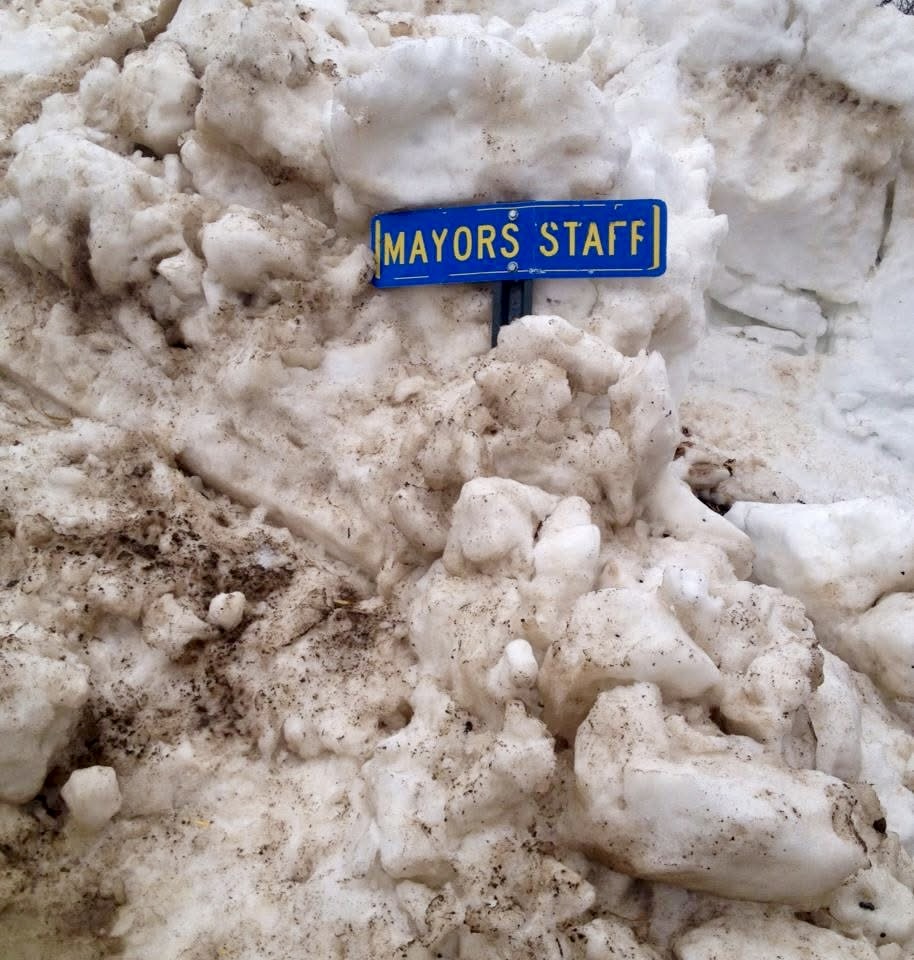
The underlying idea here is not complicated. When a city gets hit hard, it has more work than its permanent workforce can handle. It also has residents who are at home, schools-closed, nowhere to be, and could use some extra money. These two facts are not unrelated. A mayor who notices this and acts on it — quickly, publicly, with actual pay attached — gets a city dug out faster and puts a few hundred dollars in the pockets of people who needed them.
O’Leary did it with teenagers in a mid-sized Connecticut city. Mamdani did it at the scale of New York. The playbook is the same.
There’s something worth holding onto in the image of 500 people packing a municipal building not to protest, not to petition, but to work. To be useful to their neighbors.
Congratulations, Mayor Mamdani. Waterbury got there first — but you ran with it.